The Short Answer
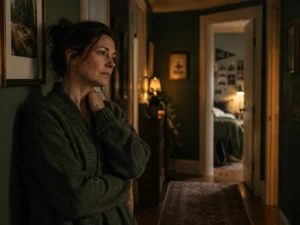
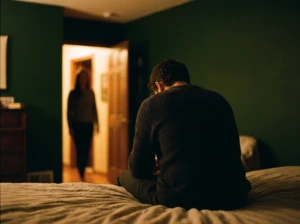
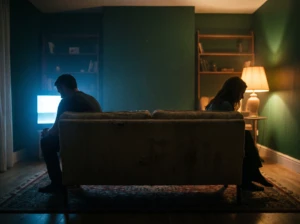
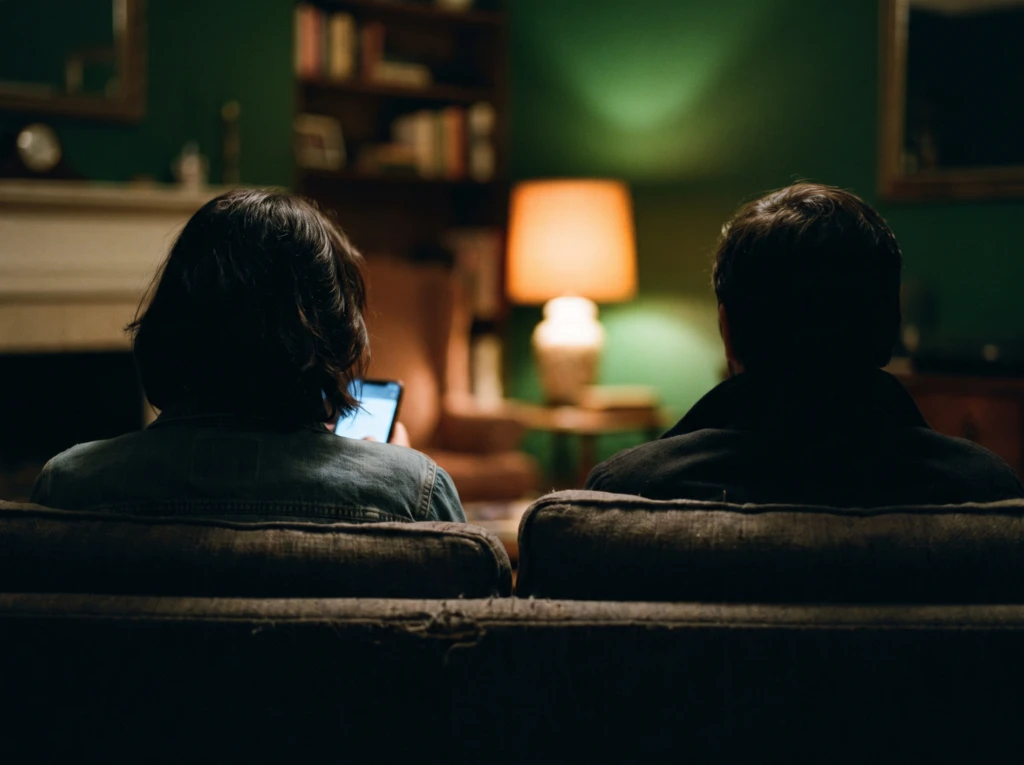
Feeling chosen against by a screen is usually less about the device itself and more about a growing gap in how the two of you spend your shared evening hours, one that has quietly become the default instead of a conscious choice.
What This Question May Really Be About
This often comes from a spouse who misses a version of the relationship where attention was easier to get, and who is now measuring their own worth against how quickly a screen wins your attention at the end of the day.
Why This Happens
Screens are effortless. They ask nothing of the person using them, do not require emotional availability, and offer a predictable, low-risk kind of relief after a hard day. A spouse, by comparison, sometimes brings conversations, needs, or unresolved tension, which makes the screen the path of least resistance, not necessarily the preferred one.
Separating Facts From Interpretation
Fact: your spouse spends a significant portion of the evening on their phone, a game, or a show instead of engaging with you. Interpretation: they would rather be anywhere but with you, or they do not find you interesting anymore. The behavior is observable. The motive you are assuming is not confirmed, and is often more about avoidance or exhaustion than rejection.
What This Does and Does Not Mean
It does not automatically mean the relationship is failing or that your spouse has stopped caring. It does mean your evenings currently default to separate, low-effort activities rather than shared ones, and that pattern will not change on its own.
What You Can Actually Do
Build small, low-pressure windows of connection into the day that do not compete with screens, such as twenty minutes without any device where you sit together, even if the conversation is ordinary. Protecting that window matters more than its content.
How to Talk About It With Your Spouse
Try saying, “I miss having your attention in the evenings. Can we protect a little time before the phones and shows take over?” This names the loss without accusing your spouse of choosing against you.
What to Watch For
A good sign is your spouse noticing the gap themselves and adjusting once it is named. A concerning sign is defensiveness, secrecy about screen use, or a pattern that continues to worsen despite the conversation.
When to Seek Additional Help
If screen use has become compulsive, is being hidden, or is replacing intimacy and conversation entirely, a couples therapist can help you both understand what the screen is actually providing and rebuild that connection elsewhere.
Bottom Line
A screen rarely beats a spouse on merit. It beats a spouse on ease, so make the moments together easier to reach for, too.