The Short Answer
A spouse who changes around their parents is usually reverting, often unconsciously, to an old role they learned long before you met them, one shaped by years of family dynamics that do not simply disappear in adulthood.
What This Question May Really Be About
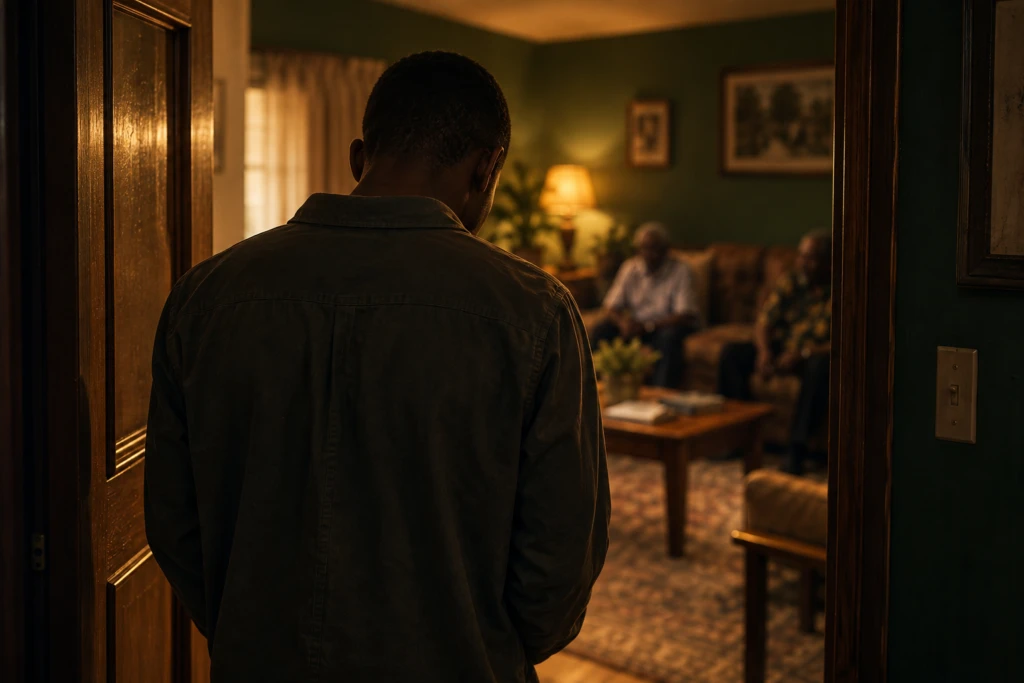
This often comes from a spouse who feels like they lose their partner, even temporarily, to an old version of them that seems more anxious, more compliant, or less present, and who is left wondering which version is the real one.
Why This Happens
Family roles formed in childhood, the peacekeeper, the achiever, the one who avoids conflict, tend to be deeply practiced and automatic, triggered specifically by the presence of the people who originally shaped them. This is less a choice your spouse is making and more a pattern that activates almost reflexively around parents, regardless of how much they have grown in every other part of their life.
Separating Facts From Interpretation
Fact: your spouse behaves differently, quieter, more deferential, more tense, around their parents than they do with you. Interpretation: this is who they really are, or your relationship is not the real one. A behavior change around parents is observable. Concluding it reveals your spouse’s true self more than their behavior with you does is a misreading of how family roles work.
What This Does and Does Not Mean
It does not mean the connection you have with your spouse is less real or less true. It does mean your spouse likely has some unresolved dynamics with their parents that show up specifically in that context, and that pattern deserves attention rather than just frustration from you.
What You Can Actually Do
Talk to your spouse outside of any family gathering, when things are calm, about what you notice and how it affects you. Ask what support would actually help, whether that is a signal between you during visits, a shorter visit, or your spouse simply naming the pattern to themselves in advance.
How to Talk About It With Your Spouse
Try saying, “I notice you become a different version of yourself around your parents, and I miss you when that happens. I am not trying to blame you, I want to understand it and figure out how I can help.” This invites insight instead of defensiveness.
What to Watch For
A good sign is your spouse recognizing the pattern themselves and being willing to talk about where it comes from. A concerning sign is your spouse dismissing your observation entirely, or the change extending into disrespect toward you specifically when their parents are present.
When to Seek Additional Help
If this pattern is significant, long-standing, or connected to real hurt from their upbringing, individual therapy can help your spouse work through the original dynamic so it stops overriding who they have become since.
Bottom Line
The quieter or more anxious version of your spouse around their parents is an old habit, not a hidden truth. The version you married is still there underneath it.