
The Short Answer
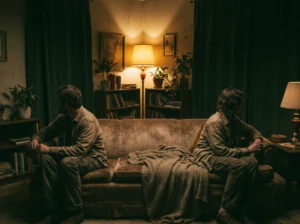
Emotional neglect in a marriage looks like a consistent, ongoing absence of attention, curiosity, and responsiveness to your inner life, not necessarily any dramatic or hostile act. It often shows up as a spouse who is present in the house but rarely asks how you are actually doing, does not notice when you are struggling, or responds to attempts at emotional connection with distraction rather than genuine engagement.
What This Question May Really Be About
Someone asking this is often trying to validate a feeling they cannot fully name, a sense of being unseen inside their own marriage that does not fit neatly into more obvious categories like conflict or betrayal. Naming emotional neglect can feel important because the absence of something is often harder to point to and describe than the presence of a clear, specific problem.
Why This Develops
Emotional neglect often develops gradually, through busyness, stress, or simple lack of skill rather than through any intention to hurt. Some people were never taught, in their own upbringing, how to notice or respond to another person’s emotional state, and they carry that gap into their marriage without recognizing it as a gap at all. Repeated small moments of a bid for attention going unanswered can accumulate into a lasting pattern of disconnection over time.
Separating Facts From Interpretation
The fact might be: “my spouse rarely asks how I am feeling and seems distracted when I try to share something difficult.” The interpretation might be: “they do not care about me at all.” The pattern of inattention is real and worth naming. The conclusion that your spouse fundamentally does not care is a heavier claim, and it is often more accurate to say they have not learned to show up emotionally in the way you need, which is a different and more addressable problem.
What This Does and Does Not Mean
Recognizing emotional neglect in your marriage does not mean your spouse is a bad person or that the relationship cannot improve. It does mean a real need has gone unmet for some time, and that unmet need deserves direct attention rather than continued silent adjustment on your part. Left unaddressed, emotional neglect tends to compound into deeper loneliness and resentment over time.
What You Can Actually Do
Start naming specific moments when you need emotional attention rather than expecting your spouse to intuit them, since many people who neglect emotionally are not doing so deliberately and can respond well to clear, direct requests. It can also help to notice and acknowledge the small moments when your spouse does show up emotionally, since positive reinforcement tends to build the habit faster than criticism of what is missing.
How to Talk About It With Your Spouse
Try naming the pattern gently and specifically: “I do not always feel like you notice when I am struggling, and I need more of that from you. Can we talk about how to build that?” This gives your spouse something concrete to work on, rather than a broad accusation that may feel confusing or overwhelming to respond to.
What to Watch For
A hopeful sign is genuine surprise and a real effort to change once the pattern is named clearly, even if the change is imperfect at first. A more concerning sign is a spouse who dismisses your emotional needs as unreasonable or excessive, or who shows no interest in learning to respond differently even after repeated, clear requests.
When to Seek Additional Help
A couples therapist can help a less emotionally attuned spouse build real skills in noticing and responding to their partner’s inner life, and can help the neglected partner communicate their needs in a way that is heard rather than dismissed. This is especially useful when the pattern has persisted for years and has become an automatic habit rather than a conscious choice.
Bottom Line
Emotional neglect is usually a pattern of ongoing inattention rather than active hostility, and it is often unintentional rather than a sign your spouse does not care. Naming specific moments of need clearly, and giving your spouse a real chance to respond differently, gives most marriages a genuine path toward closing that gap.