The Short Answer
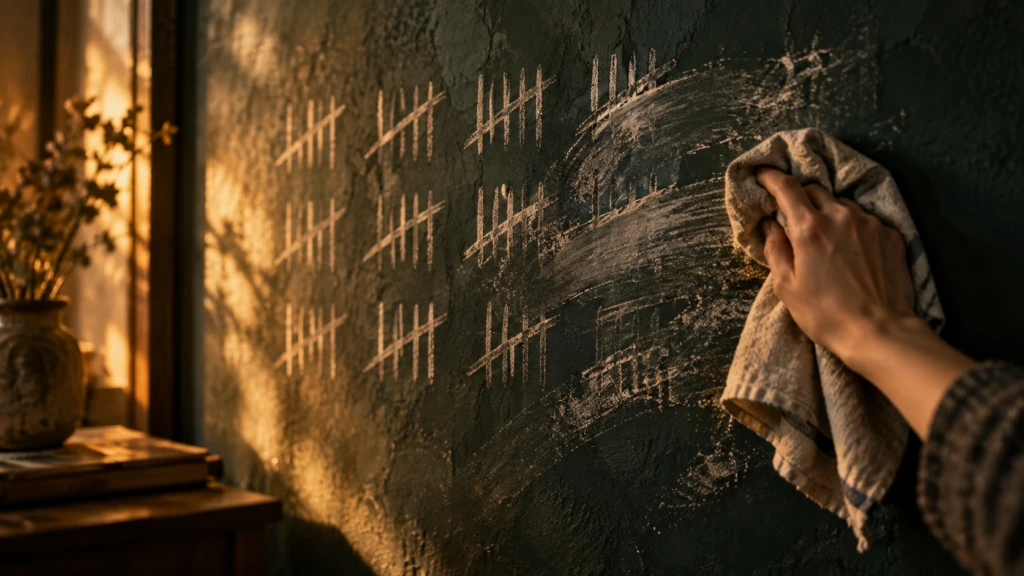
Keeping score usually starts as a way to protect yourself from feeling taken advantage of. But over time, it tends to poison a marriage more than it protects it, since it turns every kind act into a transaction instead of something given freely.
What This Question May Really Be About
Someone asking this often knows the scorekeeping is not helping, but feels unable to stop, especially after being let down before. Underneath the question is usually a real fear that if you stop counting, you will end up doing more than your share again.
Why This Happens
Scorekeeping often develops after real, repeated imbalance, one partner genuinely doing more for a while without it being addressed directly. Counting can feel like the only way to prove the imbalance is real. The problem is that once scorekeeping becomes a habit, it keeps running even after things become more balanced.
Separating Facts From Interpretation
Here is a fact: I keep a mental list of who has done more lately. Here is an interpretation: this proves my spouse only helps when it benefits them. The mental list itself is real. But the harsh conclusion about your spouse’s motives is often not accurate, and it usually makes both of you feel worse without actually fixing the imbalance.
What This Does and Does Not Mean
Keeping score does not mean you are a petty or unloving partner. It usually means an old imbalance was never properly addressed, and counting became your way of managing it. It does mean the habit is worth breaking, since it slowly turns generosity into a transaction on both sides.
What You Can Actually Do
Address the real, current imbalance directly instead of silently tracking it, since a clear conversation resolves the root cause far better than counting ever will. Practice doing at least a few things without keeping mental track, and notice how that feels different from doing something you plan to bring up later.
How to Talk About It With Your Spouse
Try saying it honestly: I realize I have been keeping score, and I do not want to do that anymore. Can we talk about how to make things feel fair without either of us counting? This turns a private, resentful habit into a shared goal you solve together.
What to Watch For
A good sign is that the urge to count starts fading once real balance returns to the relationship. A more concerning sign is that scorekeeping continues even when things are genuinely fair, which may point to deeper trust or resentment issues worth exploring further.
When to Seek Additional Help
A couples therapist can help you break the scorekeeping habit and address whatever original imbalance created it in the first place, since the habit rarely goes away just by deciding to stop.
Bottom Line
Scorekeeping usually starts as protection against real imbalance, but it slowly damages a marriage more than it helps. Fixing the actual imbalance directly, instead of silently tracking it, is what finally makes the counting unnecessary.